Is your skin dry? Would you like to know how to solve this skin problem?
First, we need to know what the Skin Surface Emulsion is and why it is important?
The skin consists of 3 layers: Epidermis, Dermis, Subcutis.
On the surface of the stratum corneum, there is a skin surface emulsion, which is crucial for skin health. (Stratum Corneum layer is on the top of our skin in the Epidermis).
The fatty phase of this emulsion is provided by waxy substances and sebum produced by the sebaceous glands. The watery phase is provided by our sweat and water-binding factors.
The fatty phase of the skin surface emulsion forms the lipid mantle of the skin, with fatty acids contained therein. The carboxylic acids found in sweat form the acid mantle of the skin. Together, the lipid mantle and acid mantle serve to protect the body. This protects our skin from harmful substances from the environment and also prevents excessive moisture evaporation from the skin.
Since oil and water do not mix well, our skin also produces its own emulsifying agent, which is ceramide. So:
Oils / fats + sweat / moisture-binding factors + ceramide = skin surface emulsion.
HOW CAN WE SOLVE DRY SKIN PROBLEM?
The quantity and quality of these above three factors also determine our skin type.
In normal skin, all three factors are balanced. That is, fats/oils and moisture are in balance, and a sufficient amount of ceramide ensures proper mixing. As a result, the skin is soft, velvety, and healthy.
Oily skin produces too much sebum. It can be balanced by replenishing the missing moisture. Oily skin is almost always dehydrated. In such cases, we need a light moisturizing cream.
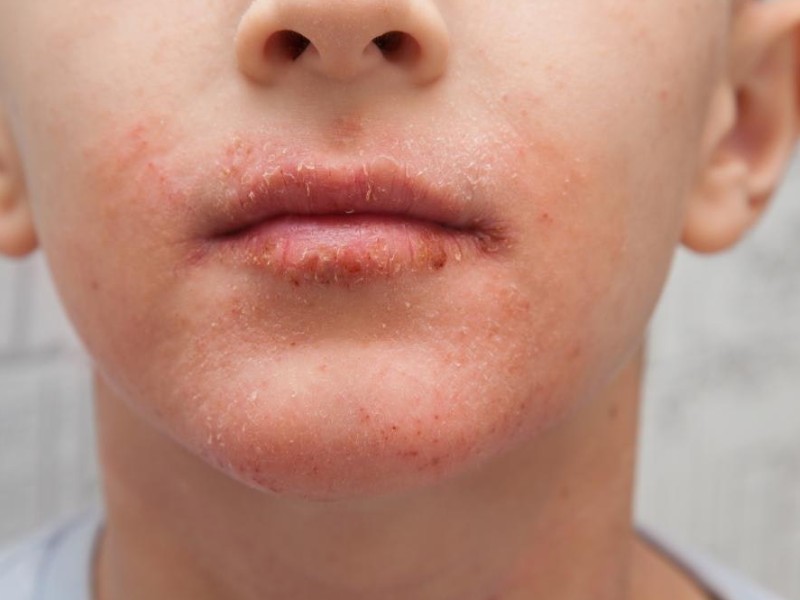
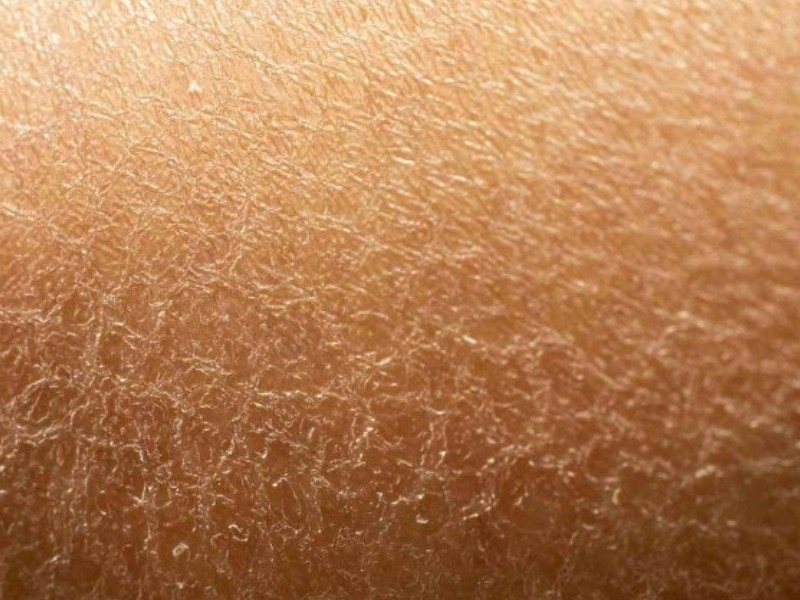
In dry skin, two things is missing: Fats / oils and Ceramide.
If fat is missing, there is nothing to bind the excess water, and the water evaporates from the skin’s surface, which is why we feel that our skin is tight and it is pulling. Dry skin requires more oily creams. The role of ceramide is to close the gap between cells. In this way, our skin is protected from the harmful effects of the environment and can also keep the moisture inside.
Further information: eBooks – magicskin

ABOUT THE ANTI AGEING SKIN
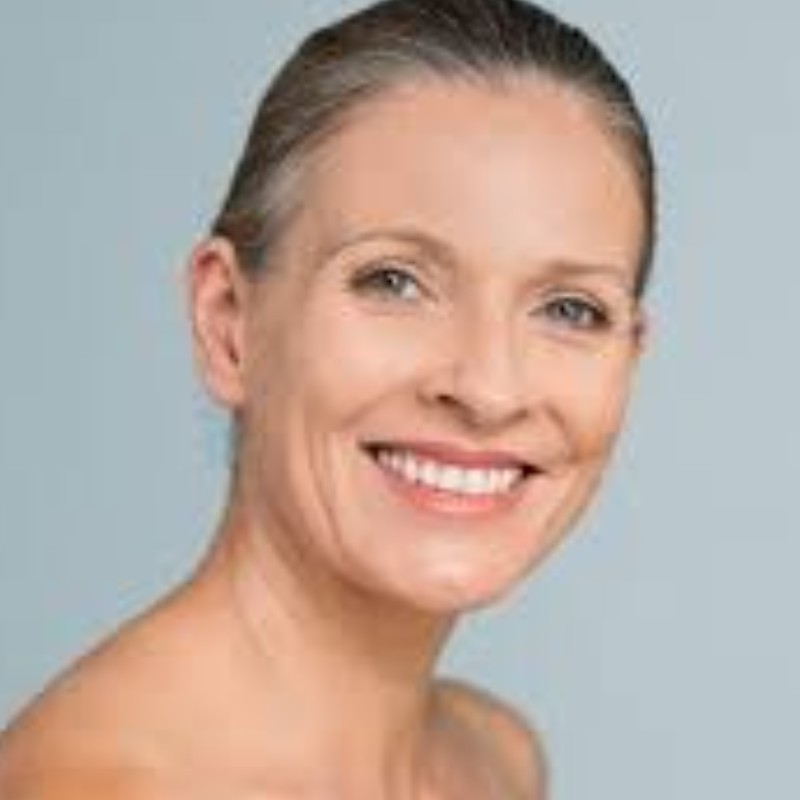
Wrinkles, spots, and the loss of skin elasticity – all these are tell tale signs of aging that become our common enemies as time goes by. But what causes these inevitable changes?
Imagine that what you see in the mirror today is mostly the ‘work’ of sun rays!
Some experts believe that 80-99% of visible skin changes can be directly linked to daylight, a phenomenon called photo-aging. This term covers all those annoying changes like increasing wrinkles, decreasing skin elasticity, vascularization and skin thickness issues, and various spots and colorations.
But what lies behind all this? Scientists have long speculated about the exact causes of the negative effects of sunlight. In recent years, however, they have also managed to uncover the deeper biochemical mechanisms responsible for these undesirable changes.
These are:
1) Free radicals (ROS)
2) Activation of MMPs with the reduction of collagen
3) Glycation leading to the formation of AGEs


HOW CAN WE SOLVE THIS SKIN PROBLEM?
- Vitamin C and E are critical when used with sunscreens to protect the skin from ROS.
Most important antioxidants: Vitamin C, Vitamin E. Since oxidative stress plays a key role in the biological events that lead to skin aging, using topical antioxidants can help prevent future damage by trapping ROS and quenching them before they damage our cells.
2) Inhibit MMPs
Matrix metalloproteinases (MMPs) are enzymes that, when activated, regulate dermis degradation. Retinoids, including Vitamin A and its derivates, are recommended for reversing the signs of photo ageing and preventing the formation of MMPs.
3) Create „Sugar Traps” or Cross-link Breakers to Control the Formation of AGEs
The regulation of the formation of AGEs is a relatively new field of research. It appears that the best way to control AGEs is to interfere with their formation.Studies have shown that a peptid molecule known as Arginine/Lysine polypeptide can bind to sugar, preventing it from reacting with proteins and triggering cross-linking of collagen. This peptide molecule acts as a sugar trap, binding to the sugar in the body, making it unable to react with proteins.
Dermalogica AGE Smart consists of products that fight the biochemical triggers that lead to skin aging.
Further information: eBooks – magicskin
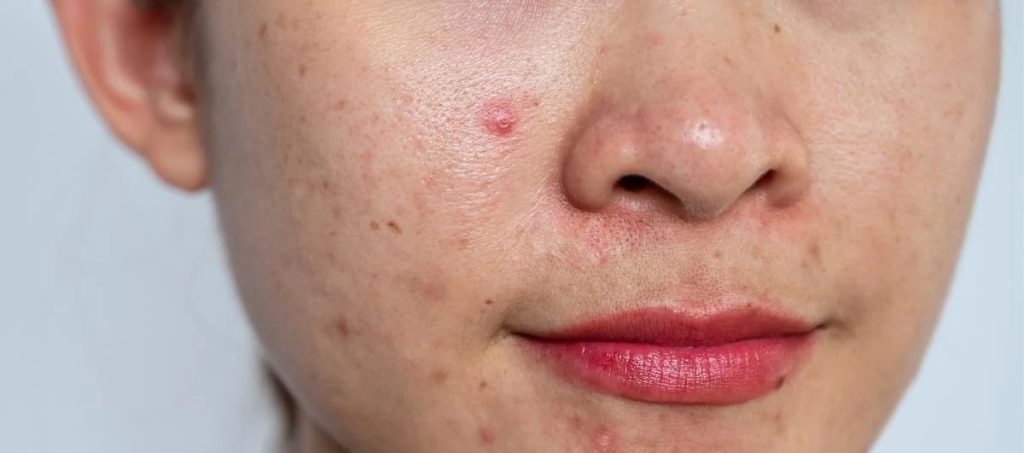
WHAT NEED TO KNOW ABOUT THE OILY/ACNE SKIN?
It is a common misconception that acne only affects teenagers. Clinical studies show that 40-55% of people aged 20-40 have acne or oily skin.
Adult skin is often both sensitive and acne-prone. This makes it especially difficult to solve the skin problem.
Acne is a purulent inflammation that develops around the sebaceous glands.
What are the factors that contribute to the development of acne?
1.) Excessive sebum production.
2.) The functioning of the sebaceous glands is regulated by the hormonal system and the autonomic nervous system. The primary catalyst for adult acne is chronic stress. The burden of personal and professional responsibilities, the stress of rapid advancement, and the lack of rest contribute to chronic stress: constant, continuous and increased stress puts the adrenal glands into overdrive, which in turn increases sebum production, setting the stage for the development of acne.
3.) Sex hormones also affect sebum production: estrogen hormone reduces, androgen hormones (progesterone/testosterone) increase sebum production.
4.) Sebum production can also be influenced by nutrition. Oily seeds, excessive carbohydrate, excessive protein consumption can also be the cause of oily, acne-prone skin.
5.) Using inappropriate cosmetics
To eliminate adult acne:
1.) Focus on reducing chronic stress.
2.) Our diet should contain 25,000 iu of vitamin A and 45 mg of zinc daily.
3.) Use a light moisturizing cream.
4.)Do not over-cleanse our skin, that is, do not deprive the skin of its natural protective layer, because then our body interprets that there is not enough oil and instructs our body to produce even more oil. So we achieve exactly the opposite.
5.) Use diluted tea tree oil, only on the problem area. Tea tree oil has antibacterial effects, so we can avoid taking antibiotics.